
Water softener and filtration in Coconut Creek: what each one does
A water softener is a tank system that swaps the minerals behind scale for sodium or potassium, so scale stops building up on pipes, heaters and fixtures. A filter is different. It removes things like chlorine taste, odor or particles, and it does nothing about scale.
Many homeowners buy one when they need the other. We start by asking what you see and taste, then recommend a softener, a carbon filter, a reverse osmosis unit or no equipment at all.
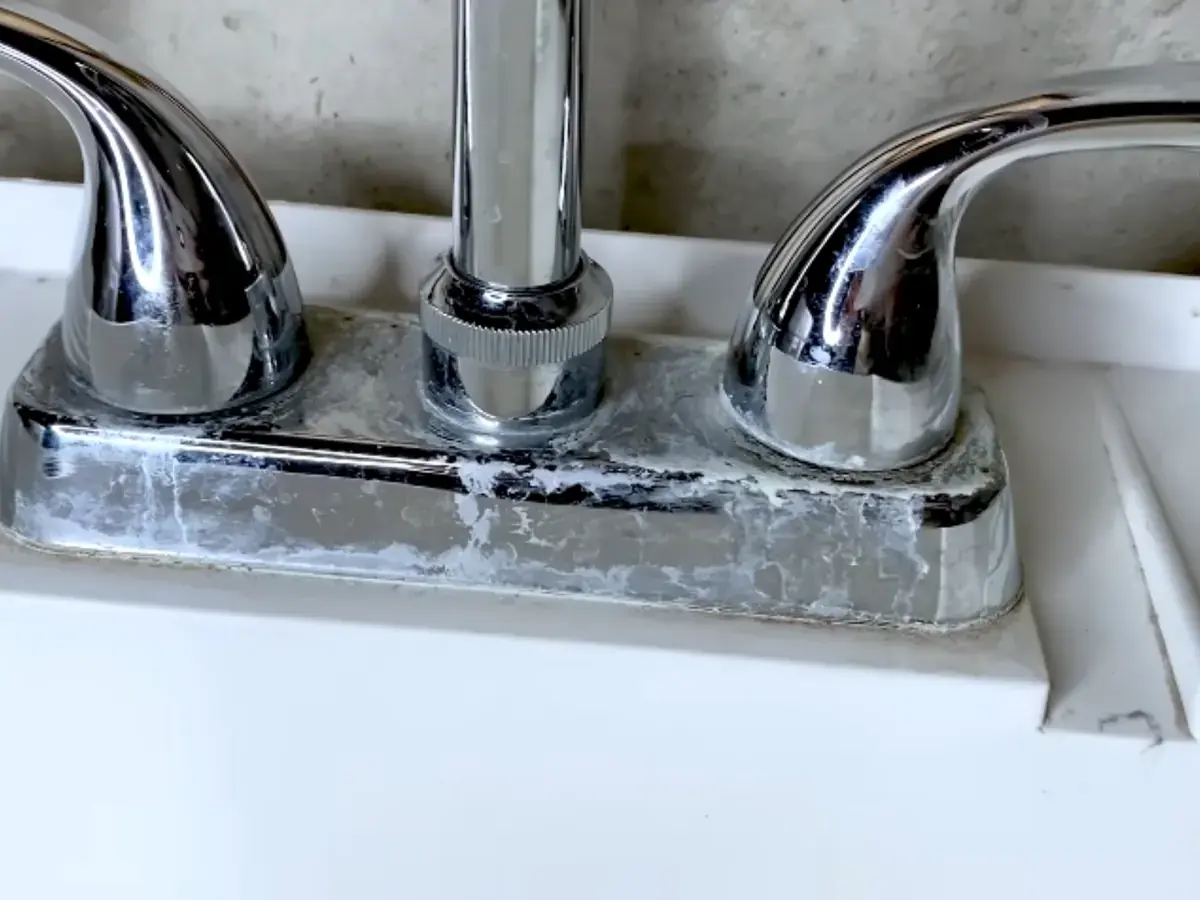
Spots, film and a funny taste: start with the symptom
Callers rarely ask for a softener by name. They say the glasses come out of the dishwasher cloudy, the shower door has a white crust, soap will not lather or the water tastes like a swimming pool.
Each symptom points somewhere different. White crust and cloudy glass suggest mineral scale. A pool smell or chemical taste points to disinfectant, which a carbon filter handles. Rusty stains point to old iron pipe, and that is a repiping question before it is a filter question.
Before you buy: what the utility says about your water
The City of Coconut Creek reports that its water is softened at the county District 2A plant and disinfected with chloramine. That means water reaching your tap has already been treated, and your results depend on your own plumbing and fixtures as well.
We do not quote a hardness figure for this page because it can change. Ask your utility for its annual water quality report, then test your own tap with a home test kit or a lab. Those numbers tell you more than any guess from us.
Softener, carbon filter or reverse osmosis
These three do different jobs. Choosing by the symptom saves money and avoids equipment that never solves the problem.
| Equipment | Best for | Does not do |
|---|---|---|
| Salt-based softener | Scale on fixtures, heaters and glass when a test shows mineral content | Remove chlorine, chloramine or taste, and not a drinking water treatment |
| Whole-house carbon filter | Chlorine taste and odor at every tap, including showers | Stop scale or remove dissolved minerals |
| Under-sink carbon filter | Better tasting water at one kitchen tap | Treat the shower or the water heater |
| Reverse osmosis at the sink | Drinking and cooking water with the fewest dissolved solids | Protect the rest of the house, since it serves one faucet |
When a softener is worth it, and when it is not
A softener earns its cost when your own test shows scale is the problem and you can see the damage. Crusty fixtures, a tankless water heater that needs frequent descaling and a dishwasher that leaves film are the common ones.
It is not worth it if your complaint is taste or smell, because a softener will not change either. It also adds salt to buy, a drain connection and a tank to maintain. If a filter solves your complaint, we will say so before you spend more.
Salt-based or salt-free systems
Salt-free systems are often sold as softeners, but they work differently. Here is an honest comparison.
Salt-based softener
- Removes the minerals that form scale
- Needs salt or potassium refills and a drain line
- Regenerates on a schedule and uses some water
- Bypass valve lets you use untreated water when needed
Salt-free conditioner
- No salt and no regeneration drain
- Changes how scale forms rather than removing minerals
- Results vary, so ask what your water test supports
- Low maintenance, but does not give the slick feel of softened water
Whole-house or under-sink
A whole-house system treats every tap, the water heater and the appliances. It is the right choice for scale protection and shower water, and it needs room near the main line and a drain for regeneration.
An under-sink unit treats one faucet and fits in the cabinet. If you only care about the water you drink, it costs less and is easier to install. Our plumbing installation work includes the supply, drain and bypass connections for either one.
Scale, tankless heaters and fixtures
Scale builds on hot surfaces first. A tank heater collects it at the bottom, and a tankless heater collects it inside the heat exchanger, where even a thin layer cuts flow and efficiency.
If you own or plan to buy a tankless unit, treatment can protect it, though flushing the heater on a regular schedule matters too. See our water heater installation page for how we plan new heaters around the water you have.
Repairing a softener you already own
A softener that stopped working is often a repair, not a replacement. Common faults are a stuck or leaking softener valve, a clogged injector, a salt bridge in the brine tank or a failed control head.
We service water conditioner repair calls on existing units, check the bypass valve and drain line and confirm it regenerates. If the tank itself is cracked or the resin is spent, we tell you plainly and price a replacement.
Local points that shape this decision
A few local facts change what we recommend.
Two utilities, one city
The City of Coconut Creek utility serves homes north of Coconut Creek Parkway and the City of Margate utility serves the area south of it. Check which one sends your bill, because each publishes its own water quality report.
Chloramine and rubber parts
Chloramine can wear softer rubber seals and flappers faster than free chlorine. When we install or repair equipment, we choose parts rated for it, and a carbon filter also reduces chloramine taste.
Treated water already
The county plant softens water before it reaches the city. Test your tap before buying a softener, since you may find the symptom comes from your heater, your fixtures or old pipe instead.
What affects the price of water treatment equipment
Cost depends on the equipment and the house. These factors matter most.
Type and size of system
A whole-house tank costs more than a sink-side unit.
Location and space
A garage with a drain nearby is quick. A tight closet takes longer.
Plumbing connections
Bypass valves, shutoffs and new supply stubs add parts and time.
Drain access
Softeners need a place for regeneration water to go.
Ongoing supplies
Salt, cartridges and membranes are recurring costs that affect the long-term price.
Insurance almost never pays for water treatment equipment, since it is an improvement and not sudden damage. If a failed unit flooded your garage, ask your insurer about the water damage separately.
Describe your symptom and your space. Call for a clear price.
Call (855) 575-2890Water softener and filter questions from Coconut Creek homeowners
Spots and film can come from minerals, but also from a worn dishwasher rinse system, soap residue or old plumbing. Start with a tap test and the utility report, and we can look at your fixtures and pipe to find which one it is.
It depends on your own test results and what you see at home. If scale is building up and a test supports it, a softener helps. If your complaint is taste or smell, a carbon filter is the better fit.
A softener targets the minerals that cause scale. A filter removes taste, odor or particles. They solve different problems, and some homes use both.
The utility uses chloramine as a disinfectant, which some people notice at the tap. A carbon filter at the sink or at the main line reduces the taste and smell. A softener will not change it.
Often yes. We check the softener valve, the brine tank, the injector and the drain line. If a part is worn we repair it, and if the tank has failed we explain the replacement options.
Yes. We install under-sink reverse osmosis units with a dedicated tap and a drain connection. Ask about space under the sink when you call, and see our plumbing installation page for the related work.
Yes. We install and repair water treatment equipment in nearby towns, including Margate. The Margate utility has its own report, so ask for it before choosing equipment.